22 September 2026
EMPHN’s engagement with allied health professionals across 2025 and 2026 has provided valuable insights into what is working well, where challenges remain, and how we can further strengthen our support across the catchment.
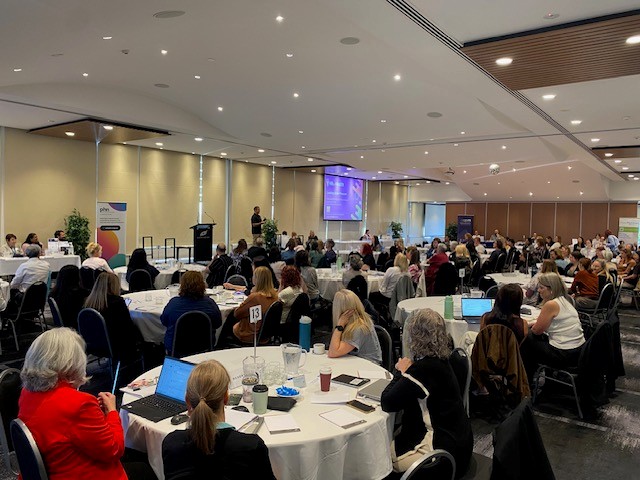
The engagement included 243 allied health survey responses, followed by a workshop with 47 allied health representatives to validate the findings and explore key themes in greater depth. Together, these insights are helping inform how EMPHN strengthens engagement and delivers greater value to allied health professionals.
For a detailed overview of the findings, including the allied health specific insights, see page 4 of the full report linked below.
General practice and allied health engagement – summary of key insights
Download a summary of the key insights gathered through the survey and workshop here.On this page:
Encouraging growth since 2023
The key data findings from the survey suggest the allied health cohort are increasingly recognising the value of EMPHN’s information, resources and engagement activities, particularly through education and digital channels.
- Overall perceptions of EMPHN have continued to improve, with overall performance ratings increasing from 28% to 34% (6% increase).
- Education offerings are receiving stronger recognition, with performance ratings increasing from 32% to 44% (12% increase).
- Perceptions of EMPHN’s website have improved significantly, with website performance ratings increasing from 32% in 2023 to 53% in 2025 (21% increase).
- Practice support was newly measured in 2025, with 22% of respondents rating performance highly, establishing a baseline for future improvement and monitoring.
Despite these improvements, engagement feedback indicates there remains an opportunity to further strengthen awareness of available supports, increase visibility of allied health initiatives and create more opportunities for meaningful connection and collaboration.
Key insights and opportunities identified across the survey and workshop engagements
Navigating fragmented systems
The engaged allied health cohort consistently identified system fragmentation as a barrier to efficient care coordination. Working across multiple platforms and referral systems can create duplication, reduce visibility of available services and make it more difficult to navigate patient pathways.
Participants highlighted opportunities to improve awareness and uptake of existing directories, referral pathways and service navigation tools, helping create clearer and more connected ways of working across the healthcare system.
Greater focus on visibility and integration
The engaged allied health cohort highlighted a lack of awareness of allied health services and referral pathways among general practices and other healthcare providers, contributing to a perception that allied health is under-represented at a system level.
Participants called for opportunities to increase the visibility of allied health provider specialisations, improve awareness of allied health professions among GPs, support the inclusion of allied health providers in existing directories, and create greater opportunities for allied health input into planning, design and advisory structures.
Strong appetite for collaboration
The engaged allied health cohort expressed enthusiasm for more structured opportunities to work alongside general practice and other healthcare providers as part of multidisciplinary teams.
While collaboration often occurs informally today, participants highlighted the value of networking opportunities, shared learning and stronger relationships that support coordinated care and better patient outcomes.
Practical support remains important
Survey findings showed improvements in satisfaction with EMPHN’s education and support activities. At the same time, some participants acknowledged that awareness of available supports and resources is varied.
The engaged allied health cohort highlighted opportunities for practical, targeted support, including networking events, opportunities to connect with general practice, and education on emerging topics such as artificial intelligence and digital tools that can help reduce administrative burden.
Turning feedback into action
Thank you to everyone who participated in the surveys and workshops. Your feedback has provided a clearer understanding of what general practices and allied health providers need from EMPHN, as well as how that support can be made more accessible, practical and relevant.
We will use these learning to inform the design feature of future initiatives that strengthen primary care across the region.
As this work progresses, we are exploring new opportunities to strengthen the supports, connections, partnerships and enablers that help primary care providers deliver high-quality, coordinated care. This includes considering how to better support quality improvement, multidisciplinary care and collaboration across the health system.
Future initiatives will be developed through ongoing consultation with general practices and allied health providers to ensure they respond to local needs, complement existing sector activities and support better outcomes for providers, consumers and the broader health system. While we undertake this future design, we will continue to deliver the support, capability building and services you said you valued the most.