06 July 2026
NAIDOC Week is held annually in July and is a national celebration of Australia’s First Nations peoples, histories and cultures—the oldest, continuous living cultures on earth.
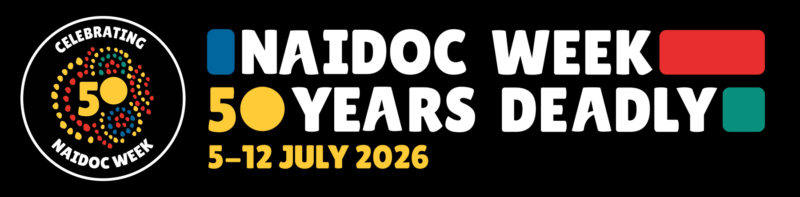
This year, NAIDOC Week 2026 runs from Sunday, 5 July to Sunday, 12 July. The national theme, “50 Years of Deadly”, marks five decades of NAIDOC Week celebrations, recognising the Elders, organisers, artists, leaders, and communities who have contributed to the movement and highlighting the resilience, survival, and cultural strength of First Nations peoples.
Primary care teams across the catchment can acknowledge and celebrate NAIDOC Week in a range of meaningful ways.
How can your team get involved?
- Hold a NAIDOC Week event for staff and patients, such as a morning or afternoon tea.
- Celebrate and display posters. There are lots of resources available here: NAIDOC Downloads | NAIDOC
- Hand out and display colouring sheets for patients. View print outs here: NAIDOC 2026 Official Colouring In Poster A3
- Share information and resources through your organisation’s social media channels or website.
- Attend local NAIDOC Week celebrations in your area.
Visit www.naidoc.org.au for resources and other ideas.
Supporting Aboriginal and Torres Strait Islander patients: resources and referral pathways
HealthPathways Melbourne
HealthPathways Melbourne provides clinicians with culturally safe and responsive care pathways for Aboriginal and Torres Strait Islander patients.
Visit the Aboriginal and Torres Strait Islander Health pathways:
Supporting Aboriginal and Torres Strait Islander patients: commissioned services available in the catchment
EMPHN commissions a range of services across the catchment to support the social and emotional wellbeing of Aboriginal and Torres Strait Islander people and communities.
These services include Oonah Belonging Place, Bubup Wilam Aboriginal and Family Centre, the Victorian Aboriginal Health Service (VAHS), EACH, Eastern Health and Holstep Health.
The programs are community-led and informed by the strengths, knowledge and priorities of Aboriginal and Torres Strait Islander communities, helping ensure support is culturally safe, responsive and tailored to local needs.